October 23, 2026
A professional paint job can refresh a home's appearance, protect surfaces, and help interior or exterior spaces feel more inviting. Whether you are updating a living room, preparing a property for sale, or planning exterior improvements before changing weather arrives, choosing the right contractor is an important part of the process. Asking clear questions before work begins helps you understand the scope, timeline, materials, and expected results.
Hiring a home painter involves more than comparing estimates. Homeowners should also consider experience, preparation methods, communication, insurance, and how the contractor handles unexpected issues. Taking time to discuss these details can help you make an informed decision and establish realistic expectations for your project.
Ask About Experience and Previous Projects
Start by asking how much experience the contractor has with projects similar to yours. Interior walls, exterior siding, trim, ceilings, cabinets, and other surfaces can require different products and preparation methods. A contractor familiar with your project's specific needs can better explain the steps involved and identify details that may affect the finished appearance.
Ask to see examples of completed work, particularly projects involving comparable surfaces or property styles. Photos can help you assess consistency, attention to detail, and the overall quality of the results. If references are available, consider asking previous customers about communication, scheduling, cleanliness, and whether the completed work matched their expectations.
It is also useful to ask who will perform the work and who will supervise the project. Understanding the team's responsibilities helps you know whom to contact with questions. A clear explanation of the process can provide confidence before you agree to move forward.
Ask About Preparation and Surface Repairs
Paint quality matters, but the condition of the surface underneath it also affects the result. Ask how the contractor evaluates walls, ceilings, siding, and trim before painting begins. Surfaces may need cleaning, scraping, sanding, caulking, patching, or other preparation based on their condition and the type of finish being applied.
Discuss how existing peeling paint, small cracks, nail holes, stains, or damaged areas will be addressed. The appropriate response depends on the surface, the extent of the damage, and the underlying cause. For example, moisture problems may need attention before painting can provide a lasting finish. A professional should explain which repairs are included in the estimate and which would require additional work.
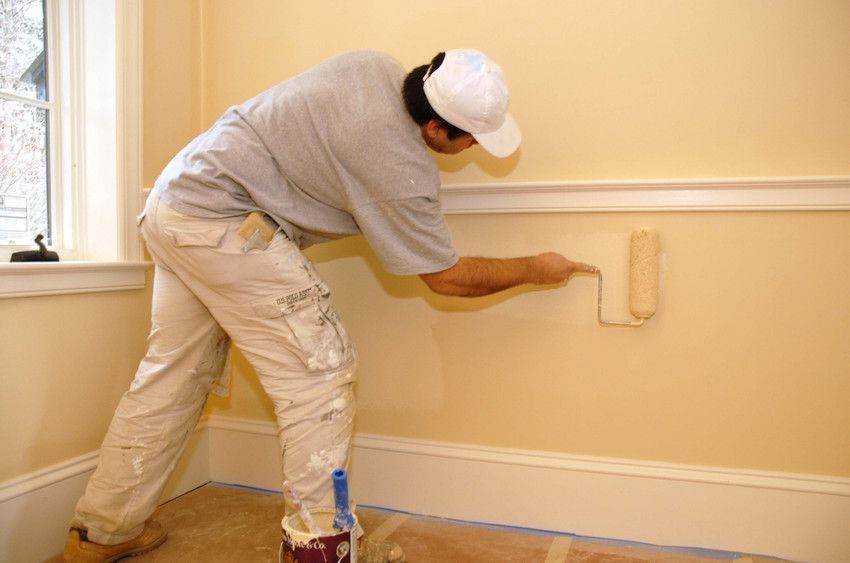
Protection of the surrounding property is another important consideration. Ask how floors, furniture, landscaping, fixtures, and nearby surfaces will be protected during preparation and application. Clarifying these details in advance helps prevent misunderstandings and makes it easier to evaluate the proposed scope of work.
Ask About Paint Products and Finishes
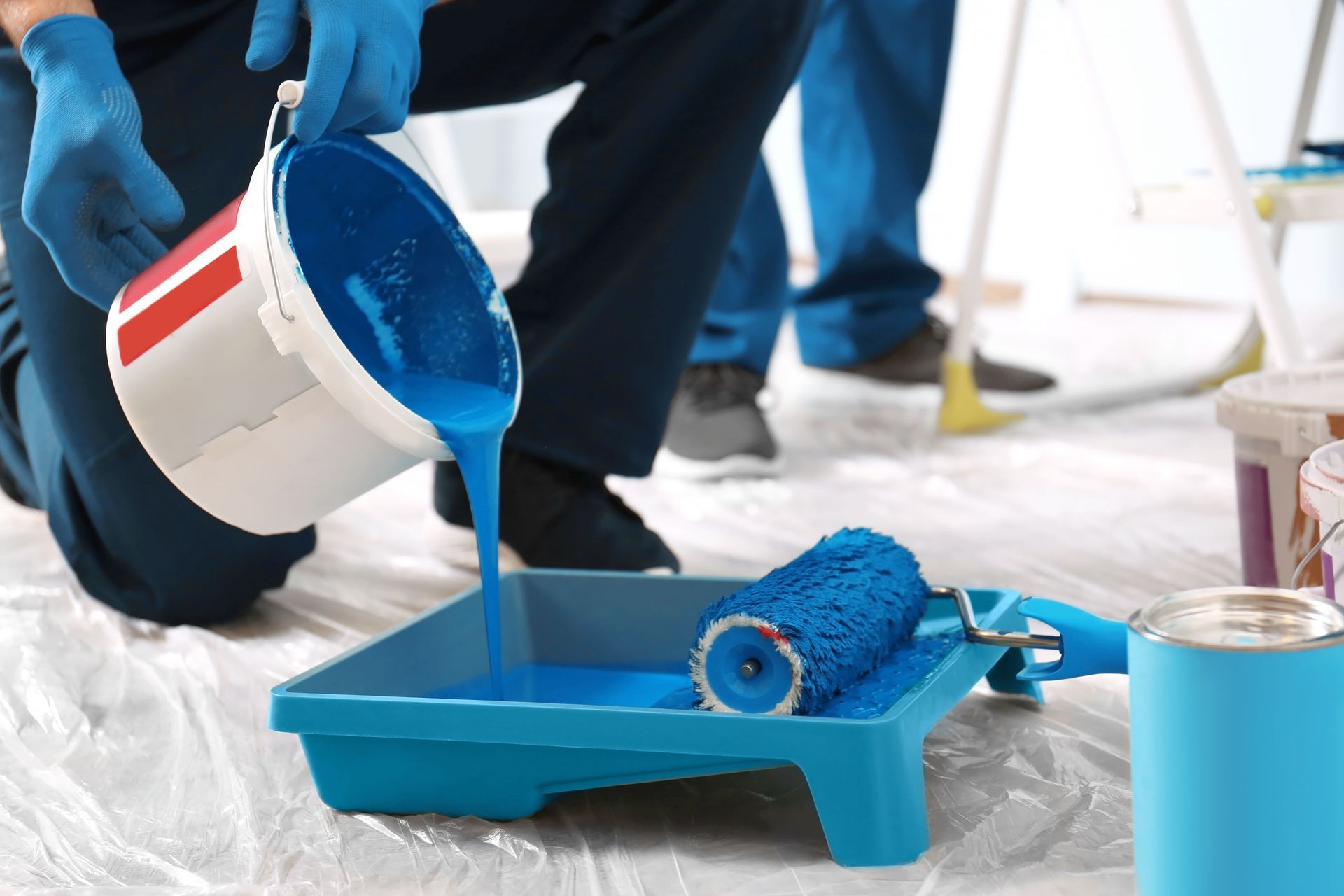
Ask which paint products the contractor recommends for your surfaces and why. Interior and exterior paints are designed for different conditions, and the best option can depend on exposure, traffic, moisture, and the desired appearance. Kitchens, bathrooms, hallways, and other frequently used areas may benefit from finishes that are easier to clean, while exterior products need to suit the home's materials and local weather.
Discuss sheen, color selection, coverage, and the number of coats included in the proposal. A home painter should be able to explain how product choices affect appearance, durability, and maintenance without pressuring you toward a particular option. If you have concerns about odor or ventilation, ask what products are available and what precautions are recommended during and after application.
Color can look different depending on lighting, room size, and nearby finishes. Ask how color decisions will be confirmed before the work begins and whether sample applications are part of the process. Agreeing on colors, finishes, and product specifications in writing reduces the chance of confusion once the project is underway.
Ask About Estimates and Project Timelines
Request a written estimate that describes the work to be completed, the surfaces included, preparation and repairs, paint products, and any exclusions. The lowest price may not represent the best value if important steps or materials are omitted. Comparing proposals is easier when each contractor is estimating a similar scope.
Ask whether the estimate includes labor, materials, surface preparation, cleanup, and disposal of project-related waste. Clarify how changes will be priced if you add rooms, select a different finish, or request repairs after the initial assessment. A written process for approving additional work can help you avoid unexpected charges.
Discuss the expected schedule, including the start date, estimated duration, and any factors that could cause delays. Weather, drying time, surface conditions, material availability, and the size of the project can affect completion. A home painter should explain how schedule updates will be communicated and whether you need to move furniture, arrange access, or coordinate other contractors. This can make planning easier.
According to Sherwin-Williams, 70% of homeowners who have hired a professional painter before are likely to hire one again within the following year. A positive experience can depend on more than the finished color: clear expectations, reliable communication, and a well-managed schedule also influence how homeowners view the service for future projects and referrals.
Ask About Insurance and Written Agreements
Before signing a contract, ask whether the company carries appropriate insurance for the work being performed. Request clarification about coverage and confirm any documentation you need for your records. You can also ask about applicable licensing requirements in your area, since rules vary by location and type of work.
The written agreement should identify the surfaces and rooms included, the products or specifications agreed upon, the payment schedule, and the anticipated timeline. It should also explain how change requests, delays, and concerns will be handled. Reading the agreement carefully gives both parties a shared reference if questions arise later.
Ask what is expected of you before the crew arrives. You may need to clear certain areas, secure pets, or arrange access to rooms or outdoor spaces. Confirming these responsibilities ahead of time helps the project begin smoothly and reduces avoidable interruptions. A professional home painter should welcome reasonable questions about the agreement and explain any terms that are unclear.
Ask About Communication and Final Inspections
Good communication helps keep a project organized from the first estimate through the final walkthrough. Ask who your main contact will be, how to reach them during working hours, and how often you can expect updates. If the project includes several rooms or phases, clarify how completed areas and upcoming work will be communicated.
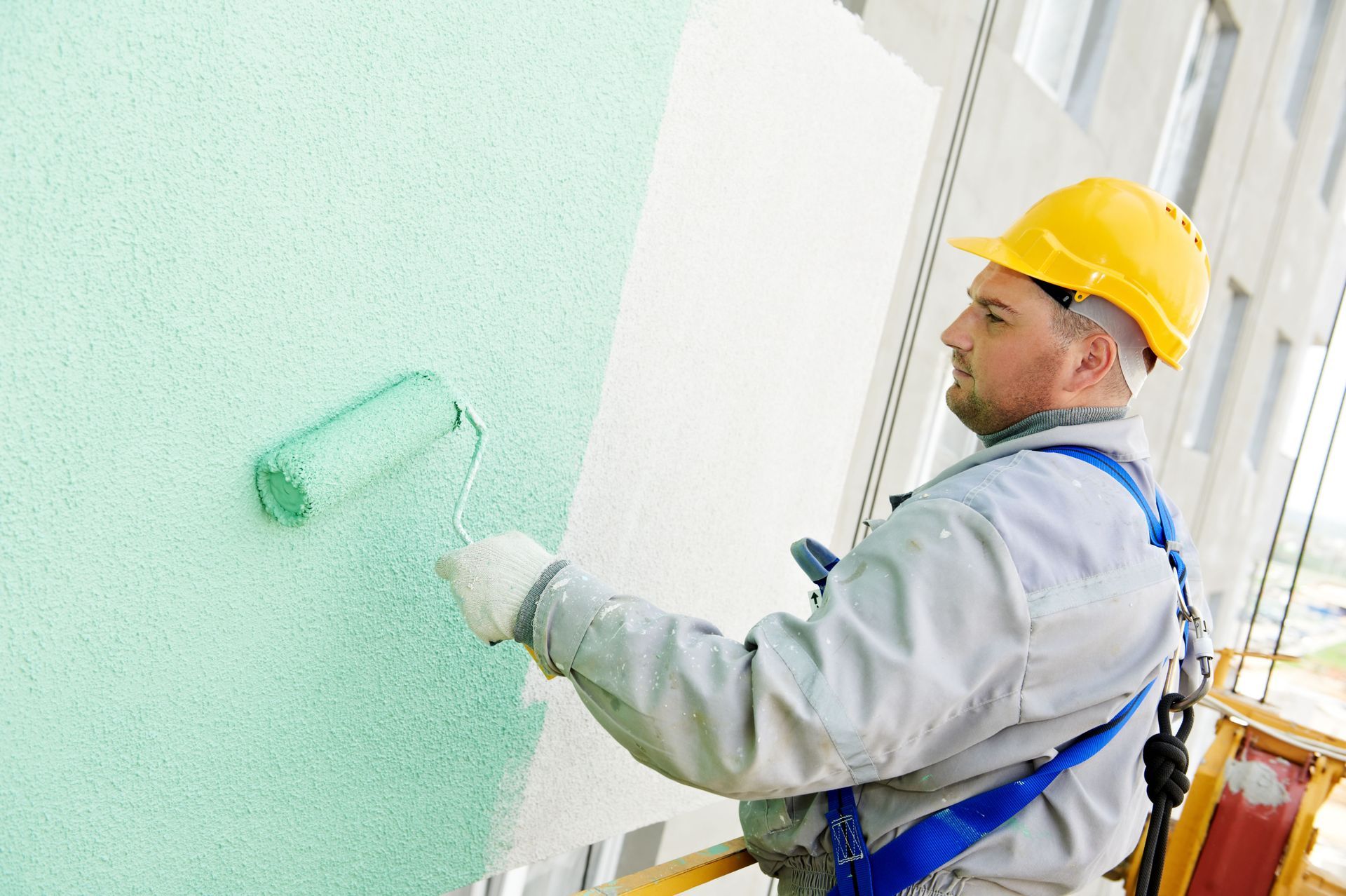
Before work starts, discuss how the crew will maintain a tidy work area and secure tools or materials at the end of each day. For exterior projects, ask how landscaping, walkways, windows, and outdoor fixtures will be protected. These practical details can make the experience more comfortable for everyone in the household.
At completion, walk through the project with the contractor and review the agreed scope. Look at coverage, edges, trim, corners, and any areas identified for repair or touch-up. Raise concerns promptly and ask how outstanding items will be addressed. Confirm that any agreed follow-up work and relevant product information are documented.
Choosing a home painter is ultimately about finding a qualified professional whose process fits your project and whose expectations are clear. Take time to compare the proposed work, ask questions, and evaluate how thoroughly each contractor responds. A careful selection process can help you feel more confident about the investment and the appearance of your home. Compare each home painter carefully; choose a painter with confidence.
For homeowners planning an interior refresh or exterior update, Levine Painting Company, Inc can help you discuss your painting needs and determine the next steps for your property. Visit Levine Painting Company, Inc to learn more and request information about your project.