November 21, 2026
A fresh coat of paint does far more than update the appearance of a residential or commercial property. It acts as a critical barrier against moisture, ultraviolet rays, temperature fluctuations, and daily wear and tear. However, the longevity of any finish depends heavily on the methods, materials, and preparation behind the application. Without proper technique and environmental awareness, even high-end coatings can peel, fade, or fail well before their expected lifespan. Hiring an experienced local painter ensures that every stage of the project is handled with technical precision, resulting in surfaces that look vibrant and remain protected for years to come.
Understanding Regional Climate and Surface Requirements
Every geographic region presents distinct environmental challenges that directly affect how coatings perform over time. Humidity levels, seasonal freezes, coastal salt air, and intense summer sunlight all place different stresses on building exteriors and interiors. A seasoned local painter brings firsthand knowledge of these regional conditions, allowing them to tailor their approach to the exact environment surrounding the property.
Evaluating Exterior Exposure and Weather Patterns
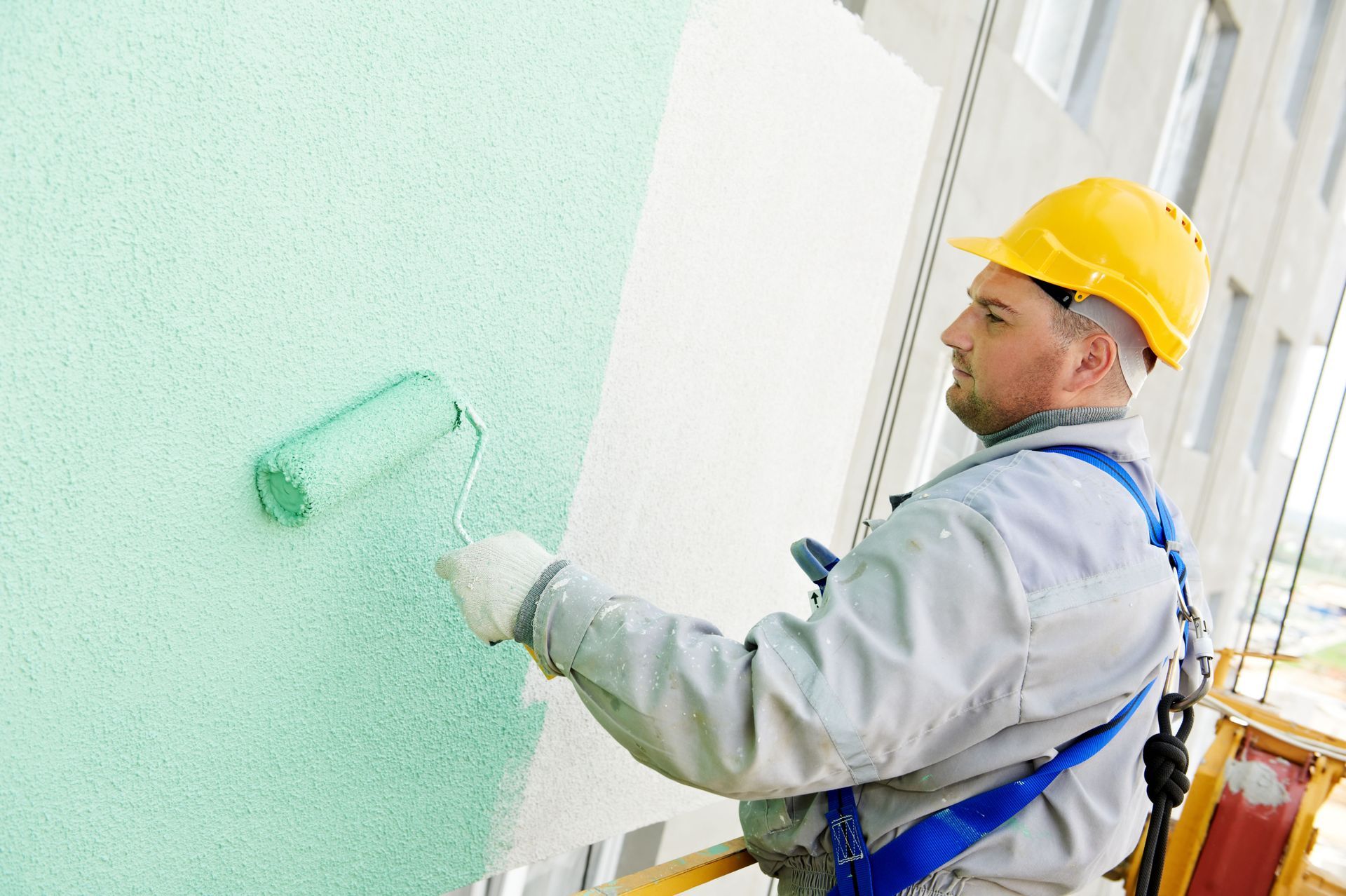
Exterior surfaces endure constant exposure to the elements, which can lead to premature peeling, fading, or blistering if the wrong products or application windows are chosen. Professionals familiar with local weather patterns monitor ambient temperatures, dew points, and humidity before applying any coating. By scheduling exterior painting during optimal weather windows and selecting formulations engineered to expand and contract with seasonal shifts, contractors prevent moisture from becoming trapped beneath the paint film. According to Revive Real Estate, a properly executed exterior paint application can boost a home's market value by 2% to 5%, influenced by the caliber of the paint, the selected palette, and the general state of the property. Achieving that level of lasting curb appeal requires matching the coating system to the specific climate stresses the building faces year-round.
Assessing Interior Substrates and Room Usage
Interior spaces demand a different set of considerations based on foot traffic, moisture exposure, and lighting conditions. Drywall, plaster, wood trim, and cabinetry each absorb and hold coatings differently. A knowledgeable local painter evaluates the condition of each substrate and considers how the room is used before recommending a finish. High-humidity areas such as bathrooms and kitchens require mildew-resistant formulations, while hallways and living spaces benefit from durable, washable sheens that withstand frequent cleaning without burnishing or losing color depth.
Executing Thorough Surface Preparation
Even the highest-grade coatings will fail prematurely if applied over dirty, unstable, or improperly prepared substrates. Industry standards consistently emphasize that surface preparation accounts for the majority of a paint job's durability. Skilled professionals dedicate substantial time to cleaning, repairing, and priming surfaces so that the topcoat forms a strong mechanical and chemical bond.
Cleaning and Removing Contaminants
Dust, grease, mildew, chalking residue, and loose flakes create barriers that prevent new paint from adhering properly. On exterior surfaces, professionals often utilize power washing or specialized cleaning solutions to strip away dirt, pollen, and organic growth. Inside the property, walls and trim are washed and degreased, particularly in kitchens and around high-touch areas like door frames and baseboards. Ensuring a clean slate eliminates the risk of future bubbling or delamination.
Repairing Imperfections and Sealing Gaps
Once surfaces are clean, any structural or cosmetic flaws must be addressed before color is introduced. This phase involves scraping away failing paint, sanding rough edges smooth, and filling nail holes, dents, or hairline cracks with appropriate patching compounds. On exteriors, open joints around windows, doors, and siding seams are sealed with flexible, paintable caulk to block water intrusion and drafts. Addressing these details creates a uniform canvas and protects underlying wood and masonry from rot and water damage.
Selecting and Applying the Right Primers
Priming is a vital bridge between the raw or repaired substrate and the finish coat. Different materials require targeted primers to achieve maximum adhesion and uniform color. For example, bare wood benefits from stain-blocking primers that prevent tannins from bleeding through, while glossy surfaces require bonding primers so topcoats can grip effectively. Applying the correct primer also seals porous patches, ensuring the final sheen remains consistent across the entire wall or facade without dull spots.
Selecting High-Grade Materials and Finishes
Material selection plays a decisive role in how well a painted surface resists fading, scuffing, and moisture penetration over time. Rather than relying on generic products, an established local painter sources commercial-grade coatings and specialized sundries suited to the demands of each specific surface.
Matching Paint Formulations to Surface Materials
Modern coatings are engineered with distinct resin systems, pigment concentrations, and additives. Acrylic latex paints offer superior flexibility and UV resistance for exterior siding, whereas enamel or urethane-modified coatings provide the hard, smooth finish required for doors, trim, and cabinets. Professionals also provide expert color consultation to help property owners select hues that complement architectural features while accounting for how natural and artificial light affect undertones. Higher pigment loads in quality formulations also ensure richer coverage and better color retention over the lifespan of the finish.
Utilizing Professional Application Tools
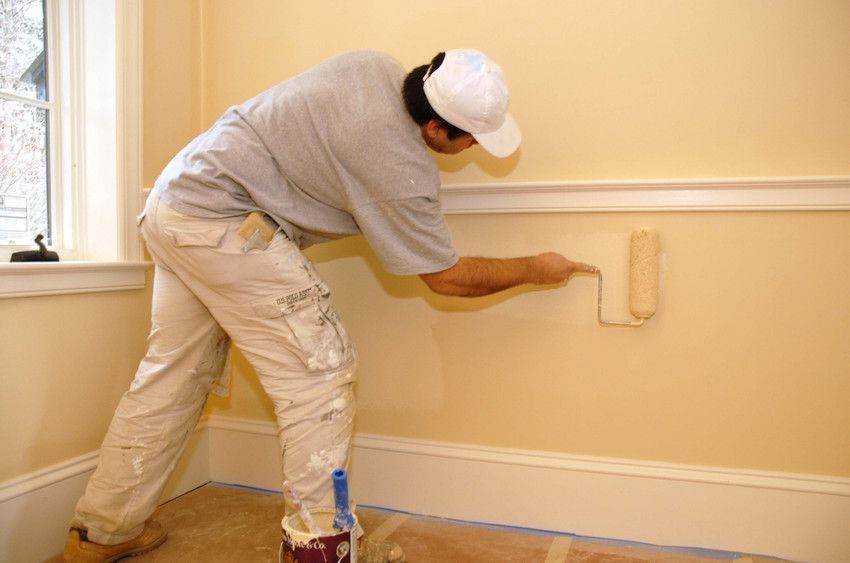
The tools used to apply coatings directly influence film thickness, texture, and uniformity. High-density rollers, angled synthetic or natural-bristle brushes, and precision spray equipment are chosen based on the substrate and coating type. A skilled local painter understands how to maintain a wet edge, back-brush sprayed surfaces when necessary to work paint into wood grain, and apply coatings at the manufacturer's recommended mil thickness. Consistent film build ensures the paint cures properly and delivers its full protective properties.
Maintaining Safe and Organized Work Practices
Quality craftsmanship extends beyond the paint film itself to how the project is managed on-site from start to finish. Structured workflows, strict safety protocols, and thorough final inspections ensure that the property is protected throughout the process and that no detail is overlooked.
Protecting Surrounding Property and Following Safety Standards
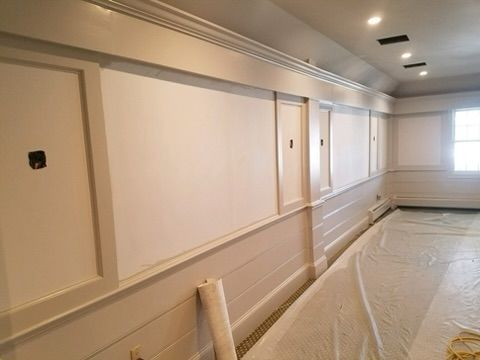
Before opening a single can of paint, professional crews mask off windows, hardware, light fixtures, and flooring using heavy-duty drop cloths, plastic sheeting, and painter's tape. Landscaping and outdoor fixtures are similarly shielded during exterior work. Furthermore, when working on older homes built prior to 1978, EPA lead-safe certified practices are essential to contain dust and debris safely. Careful site protection keeps adjacent surfaces clean and ensures a safe environment for occupants and workers alike.
Conducting Multi-Point Quality Inspections
As the project nears completion, a dedicated local painter performs detailed walk-throughs under varying lighting conditions to catch any thin spots, drips, or uneven cut lines. Touch-ups are completed methodically, tape is removed at the proper curing stage to preserve crisp edges, and all equipment and debris are cleared from the site. This systematic review guarantees that every room or exterior elevation meets strict standards of visual appeal and structural protection.
Achieving Lasting Value Through Professional Craftsmanship
Investing in professional painting is one of the most effective ways to safeguard a property's structural integrity while enhancing its visual appeal. From understanding regional weather demands and executing meticulous surface preparation to selecting specialized coatings and maintaining clean work sites, every step contributes to a finish built to endure. Taking a disciplined, detail-oriented approach at every phase reduces the frequency of future repainting and preserves the underlying surfaces against long-term wear. Partnering with a qualified local painter ensures that residential and commercial spaces receive the technical care required for lasting beauty and protection. To discuss upcoming interior or exterior painting needs with an experienced
local painter, reach out to Levine Painting Company Inc today to schedule a consultation.